

Eye Drug Market Trend Analysis By Type (Drops, Tablet & Capsule), By Application (Glaucoma, Retinal Disease) & Region (North America, Europe, APAC, MEA, South America)- Global Forecast to 2030
Pages: 300 | Aug-2024 Formats | PDF | Category: Pharma and Healthcare | Delivery: 24 to 72 Hours
Eye Drug Market Overview
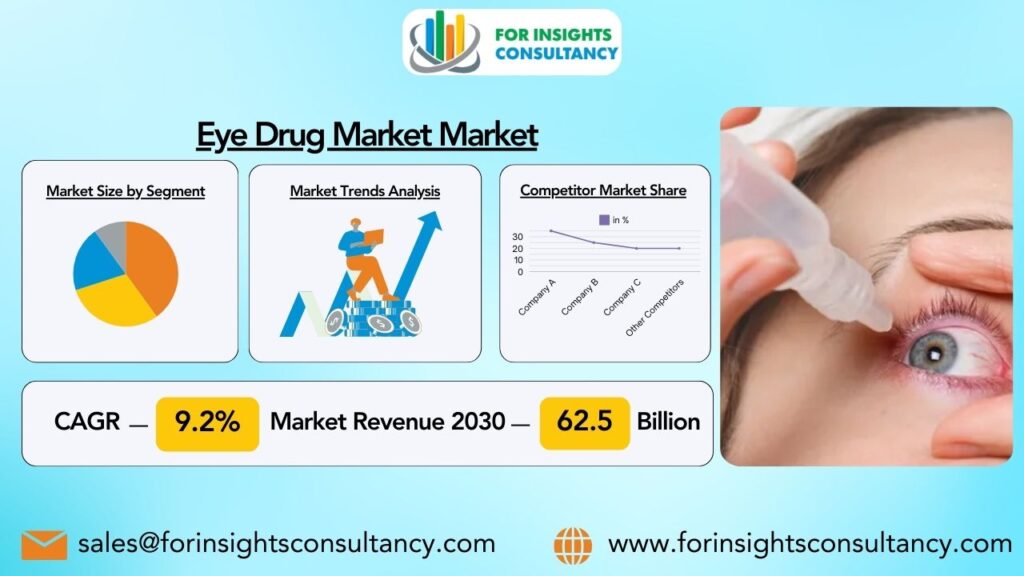
Eye Drug Market is expected to grow rapidly at 9.2% CAGR consequently, it will grow from its existing size of from $37.5 Billion in 2023 to $62.5 Billion by 2030.
The Eye Drug Market means the pharmaceutical products ranging of the diagnosis, prevention, alleviation and remission of a broad spectrum of ocular disease and vision-related disorders on the anterior and posterior sections of the eyeball. The market provides the ophthalmic drugs including prescription and OTC drugs like eye drops, ointments, gels, injectable therapies, sustained-release implants, oral drugs and biologics to target at glaucoma, dry eye, AMD, diabetic retinopathy, CRVO, cataract related complication, allergic conjunctivitis, ocular infection, inflammation, uveitis and other ophthalmic diseases. The market supplies the hospitals, ophthalmology clinics, ambulatory surgical centers, retail pharmacies, specialty pharmacies, online health care.
In the last 10 years, the Eye Drug Market has experienced a substantial shift that has been fueled by the evolution of ophthalmic research, the upsurge of chronic eye disease, and the development of novel treatment modalities. As diabetes prevalence continues to grow, along with aging populations and the parallel increase in time spent looking at digital displays, the global burden of visual problems is increasing. As a result, pharmaceutical companies have focused on its development of precise biologics, anti-vascular endothelial growth factor (Afl) drugs, sustained delivery technology, gene therapy and customized ophthalmic medications.
Enhanced consumer awareness for eye health, early diagnosis and preventive vision care is changing the market environment. The demand for prompt treatment and intervention of irreversible conditions causing vision loss is increasing, while regular eye examinations and broader availability of eye care are enabling earlier diagnosis of eye disease. Greater awareness programs by health care providers, governments and eye care organizations are leading to increased penetrance of prescription drugs and preventive treatments for the treatment of simple and complex eye conditions.
Technology continues to rapidly leverage innovation in the Eye Drug Market, with developments such as AI-assisted diagnostics, precision medicine, nanoparticle-based drug delivery systems, biodegradable implant devices, sustained-release medications, ocular gene therapy, regenerative medicine techniques and digital health platforms all revolutionizing ophthalmic care. Pharma companies continue to develop novel formulations to enhance drug bioavailability, extend duration of effect, diminish systemic adverse events and improve patient compliance and treatment compliance. The implementation of artificial intelligence-based digital surveillance systems and telophthalmology services are also increasingly improving disease surveillance, compliance and remote access.
Regulatory trends are factor affecting market expansion. National health agencies are clarifying and tightening rules on drug safety, clinical effectiveness, manufacturing quality, and monitoring adverse effects of drugs, while promoting efficiency of introducing groundbreaking ophthalmic treatments that address unmet medical needs. Incentives to develop orphan drugs, biologics, Gene therapy, and breakthrough drugs, are promoting global R & D investments. Also, reimbursement trends and global health reforms like, a movement to minimize avoidable blindness, are increasing availability of state-of-the-art ophthalmic treatments in affluent and developing nations.
The market is benefiting from significant investment in the areas of pharmaceutical R&D, biotech, precision medicine and ophthalmic drug development. Strategic alliances between pharmaceutical and biotech companies, hospitals and research institutions are helping to quickly identify the most promising areas of next-generation medicine for retinal disease, glaucoma, inherited eye disease and inflammatory conditions. The uptake of BPs and combination treatments is also increasing within certain markets by offering a more affordable treatment option.
Although market outlooks remains promising with potential for strong growth, the market faces a number of challenges around pipeline, cost, regulation, patent expiry, pricing (reimbursement), treatment adherence and access to new therapeutic options particularly in low resource settings. However, ongoing innovation areas such as biologics, gene therapy, sustained release delivery, personalized medicines and digital ophthalmology coupled with the increasing overall burden of eye disease and increased healthcare investment is forecasted to propel growth in the gloal Eye Drug Market.
Eye Drug Market Trends 2024
The eye drug market is experiencing significant growth driven by advancements in technology, a deeper understanding of ocular diseases, and the increasing prevalence of eye-related conditions.
Key Market Trends
- Therapeutic Expansion: Development of new drugs targeting a wider range of eye diseases.
- Biologic and Gene Therapies: Increased focus on innovative treatments for severe eye conditions.
- Drug Delivery Advancements: Improved drug delivery systems for enhanced efficacy and patient convenience.
- Personalized Medicine: Tailored treatments based on individual patient characteristics and genetic profiles.
- Digital Health Integration: Adoption of digital tools for patient management and monitoring.
- Combination Therapies: Development of combined drug therapies for complex eye diseases.
- Emerging Market Growth: Expansion into regions with growing healthcare needs.
- Dry Eye Disease Focus: Increased attention on treatments for dry eye disease.
- Regulatory Landscape Evolution: Adapting to evolving regulatory requirements for drug approval.
- Research and Development Investment: Increased funding for innovative eye drug development.
The eye drug market is poised for continued growth as research and development efforts lead to new and improved treatments for a variety of eye conditions.
Eye Drug Market Dynamics
Growth Drivers
- Increasing Prevalence of Eye Diseases
- Description: The rising incidence of eye diseases such as glaucoma, macular degeneration, diabetic retinopathy, and dry eye syndrome drives the demand for eye drugs.
- Impact: The growing burden of eye conditions increases the need for effective pharmaceutical treatments and therapies.
- Aging Population
- Description: An aging population is more susceptible to age-related eye conditions and disorders, leading to higher demand for eye medications.
- Impact: The increasing number of elderly individuals boosts the market for treatments targeting age-related eye issues.
- Advancements in Ophthalmic Drug Development
- Description: Technological advancements and innovations in drug formulations and delivery methods, such as sustained-release systems and targeted therapies, enhance the effectiveness of eye drugs.
- Impact: New and improved treatments drive market growth by offering better outcomes for patients.
- Rising Awareness and Early Diagnosis
- Description: Increased awareness about eye health and early diagnosis of eye diseases lead to earlier treatment and a higher demand for eye medications.
- Impact: Enhanced awareness and diagnostic capabilities support market growth by increasing patient access to treatments.
- Growing Availability of Novel Therapies
- Description: The introduction of novel therapies, including biologics and gene therapies, offers new treatment options for previously challenging eye conditions.
- Impact: Innovative therapies expand the range of available treatments and stimulate market growth.
- Government Initiatives and Healthcare Investments
- Description: Government initiatives and investments in eye care infrastructure and research contribute to the development and availability of eye drugs.
- Impact: Supportive policies and funding enhance the growth prospects of the eye drug market.
- Expansion of Pharmaceutical Market in Emerging Economies
- Description: The growth of the pharmaceutical market in emerging economies, coupled with increasing healthcare access, drives demand for eye drugs in these regions.
- Impact: Expanding markets in developing countries contribute to global market growth for eye medications.
Restraints
- High Cost of Eye Drugs
- Description: The high cost of advanced eye drugs, particularly novel therapies and biologics, can be a barrier to accessibility for some patients.
- Impact: High drug costs may limit patient access and affect overall market growth.
- Regulatory and Approval Challenges
- Description: The regulatory approval process for new ophthalmic drugs can be lengthy and complex, potentially delaying market entry.
- Impact: Regulatory hurdles can impact the availability and commercialization of new treatments.
- Adverse Effects and Safety Concerns
- Description: Potential adverse effects and safety concerns associated with certain eye drugs may affect patient compliance and treatment outcomes.
- Impact: Safety concerns can influence market growth by impacting patient acceptance and regulatory approval.
- Competition from Over-the-Counter Products
- Description: The availability of over-the-counter (OTC) eye care products and treatments can compete with prescription eye drugs.
- Impact: OTC products may affect the market share and growth of prescription eye medications.
- Lack of Awareness in Some Regions
- Description: Limited awareness and knowledge about eye diseases and available treatments in certain regions may hinder market growth.
- Impact: Lack of awareness can affect the demand for eye drugs and limit market expansion.
- Challenges in Drug Delivery
- Description: Difficulties in developing effective drug delivery systems for ophthalmic treatments can impact the efficacy and adoption of new therapies.
- Impact: Delivery challenges may affect market growth by limiting the effectiveness of certain treatments.
- Patent Expirations and Generic Competition
- Description: Patent expirations for key eye drugs lead to the introduction of generic alternatives, which can impact market revenue for branded medications.
- Impact: Generic competition may reduce revenue for original drug manufacturers and affect market dynamics.
The eye drug market benefits from growth drivers such as the increasing prevalence of eye diseases, an aging population, advancements in drug development, rising awareness and early diagnosis, availability of novel therapies, government initiatives, and expansion in emerging economies. However, the market faces challenges including high drug costs, regulatory and approval issues, safety concerns, competition from OTC products, lack of awareness in some regions, drug delivery challenges, and generic competition. Addressing these challenges while capitalizing on growth drivers will be crucial for the continued development and success of the eye drug market.
Eye Drug Market Segment Analysis
The eye drug market is segmented by drug type, application, and distribution channel, influencing market growth and trends.
Drug Types
- Prescription Drugs: Treat serious eye conditions like glaucoma, AMD, and diabetic retinopathy.
- Over-the-Counter (OTC) Drugs: Address common eye irritations and discomforts.
- Biologics: Advanced treatments for complex eye diseases.
Applications
- Glaucoma: Targets elevated eye pressure.
- Macular Degeneration: Focuses on slowing disease progression.
- Dry Eye Disease: Alleviates symptoms of dry eye discomfort.
Distribution Channels
- Hospital Pharmacies: Dispense prescription drugs for complex conditions.
- Retail Pharmacies: Offer both prescription and OTC eye drugs.
- Online Pharmacies: Provide convenient access to a range of eye care products.
Understanding these segments is crucial for analyzing market dynamics and identifying growth opportunities within the eye drug industry.
By Type
- Drops
- Tablet & Capsule
By Application
- Glaucoma
- Retinal Disease
- Bacterial?Infection
- Other
Competitive Landscape of the Eye Drug Market
The eye drug market is experiencing growth driven by increasing prevalence of eye diseases, aging populations, and advancements in ophthalmic care.
Key Market Players
Several key players operate in the eye drug market, offering a range of ophthalmic products. These companies focus on research and development, product innovation, and expanding their market reach.
- Pfizer
- Novartis
- bausch Lomb
- Laboratoire Riva
- Jamp Pharma
- Fresenius
- Teva Pharmaceutical?
- SANDOZ
- Greenstone
- Mylan
- Pfizer
- Mint Pharmaceuticals
- Laboratoires Thea
- Taj Pharmaceuticals
- Actavis
- APOTEX
- Sun Pharma.
Eye Drug Market Regional Outlook
The eye drug market is experiencing significant growth driven by increasing prevalence of eye diseases, advancements in ophthalmic treatments, and aging populations.
Regional Market Dynamics
- North America: A mature market with a strong focus on research and development and advanced therapies.
- Europe: A well-established market with a focus on patient-centric care and regulatory compliance.
- Asia-Pacific: A rapidly growing market driven by increasing healthcare access and rising prevalence of eye diseases.
The market is characterized by ongoing research to develop new and improved treatments for a range of eye conditions. As the global population ages and the prevalence of eye diseases increases, the demand for eye drugs is expected to continue growing.
Frequently Asked Questions:
What is the current size of the Eye Drug market?
Eye Drug Market is expected to grow rapidly at 9.2% CAGR consequently, it will grow from its existing size of from $37.5 Billion in 2023 to $62.5 Billion by 2030.
Who are the major players in the Eye Drug Market?
The leading Players in the market are Pfizer, Novartis, bausch Lomb, Laboratoire Riva, Jamp Pharma, Fresenius, Teva Pharmaceutical?, SANDOZ, Greenstone, Mylan, Pfizer, Mint Pharmaceuticals, Laboratoires Thea, Taj Pharmaceuticals, Actavis, APOTEX, Sun Pharma
Which segments are covered in the report of Eye Drug Market?
The Eye Drug Market is Segmented On The Basis Of Type, Application, And Geography.
Which regions are covered in the report that having a potential scope for the Eye Drug Market?
On the basis of Geography, The Eye Drug Market is classified into North America, Europe, Asia Pacific, and the Rest of the world.
Key Benefits to Stakeholders:
- This study offers a quantitative examination of Eye Drug Market trends, estimations, and dynamics from 2023-2030 to identify potential opportunities in this space.
- Porter’s five forces study emphasizes the value of buyers and suppliers in helping stakeholders to make profitable business decisions while expanding their network.
- Undergoing in-depth analyses on market size and segmentation is vital in identifying current Eye Drug Market opportunities.
- Each region’s largest countries are mapped according to their revenue contribution for an accurate picture of this global industry.
- The Eye Drug Market research report offers a thorough examination of its major players. As such, purchasing this report provides many advantages to any organization looking to enter this competitive industry.
Reasons to Purchase Eye Drug Market Report:
- Current and Future Prospects of Eye Drug Market in both developed and emerging markets.
- Porter’s Five Force Analysis to help analyze various perspectives within this market. Major regions should experience rapid increases during this time.
- Uncover the most up-to-date industry developments, Eye Drug Market shares, and top market players’ strategies.
Research Methodology:
To estimate and validate the size of the Eye Drug Market as well as several of its dependent submarkets in its entirety, both top-down and bottom-up methodologies were used. Secondary research identified key players within the market while primary sources and verified primary sources provided an accurate picture of all percentage share breakdowns and splits within this global industry.
Related Report
Compounding Pharmacy Market
https://www.forinsightsconsultancy.com/reports/compounding-pharmacy-market
3D Medical Imaging Devices Market
https://www.forinsightsconsultancy.com/reports/3d-medical-imaging-devices-market
Table of Contents
- Table 1: Market Definition and Scope
- Definition of eye drugs
- Scope of the report (geographical coverage, market segments, etc.)
- Table 2: Market Size and Growth Forecast (2024-2029)
- Historical market size
- Forecasted market size
- Growth rates
- Table 3: Market Segmentation by Drug Type
- Prescription Eye Drugs
- Antiglaucoma Agents
- Anti-inflammatory Agents
- Antibacterial Agents
- Antiviral Agents
- Lubricants and Moisturizers
- Others
- Over-the-Counter (OTC) Eye Drugs
- Allergy Relief
- Dry Eye Relief
- Redness Relief
- Others
- Prescription Eye Drugs
- Table 4: Market Segmentation by Route of Administration
- Topical (Eye Drops, Ointments)
- Oral
- Injectable
- Surgical (e.g., implants)
- Table 5: Market Segmentation by Application
- Glaucoma
- Dry Eye Disease
- Allergies
- Conjunctivitis
- Age-Related Macular Degeneration (AMD)
- Diabetic Retinopathy
- Others
- Table 6: Market Segmentation by Distribution Channel
- Hospital Pharmacies
- Retail Pharmacies
- Online Pharmacies
- Drugstores
- Direct Sales
- Table 7: Market Segmentation by Region
- North America
- Europe
- Asia-Pacific
- Latin America
- Middle East & Africa
- Key trends and developments in each region
- Table 8: Competitive Landscape
- List of key players in the market (pharmaceutical companies, biotech firms)
- Company profiles (including market share, product offerings, and recent developments)
- Table 9: Market Dynamics
- Drivers of market growth
- Restraints affecting market growth
- Opportunities and challenges
- Table 10: Technology Trends and Innovations
- Advances in drug delivery systems
- Innovations in treatment options and formulations
- Table 11: Pricing Analysis
- Average pricing of eye drugs by type, application, and region
- Pricing models and factors affecting prices
- Table 12: Consumer Preferences and Behavior
- Insights into patient preferences for eye drugs
- Trends in purchasing behavior and brand loyalty
- Table 13: Regulatory and Policy Framework
- Relevant regulations and standards affecting eye drugs
- Impact of regulations on market growth and development
- Table 14: SWOT Analysis of Key Players
- Strengths, weaknesses, opportunities, and threats of major market players
- Table 15: Market Forecast by Segment
- Forecasted growth for each market segment
- Market share projections by drug type, application, and region
- Table 16: Supply Chain Analysis
- Key suppliers and manufacturers
- Supply chain dynamics and challenges
- Table 17: Investment and M&A Activity
- Recent investments and mergers/acquisitions in the eye drug market
- Impact on market dynamics and competition
- Table 18: Case Studies and Success Stories
- Examples of successful eye drug products and brands
- Case studies showcasing benefits and market impact
- Table 19: Trends in Product Development
- Recent trends in the development of eye drugs
- Impact of product development on market growth and competition
- Table 20: Research and Clinical Trials
- Ongoing and upcoming research and clinical trials related to eye drugs
- Impact on future market developments
Select PDF License
Single User: $3499
Multiple Users: $4499
Corporate Users: $5499